Location : West Bengal, India
Category : Exhibition Design
Client : Muhaan
Role: Design Partner
Category: Cultural Tourism
Year: 2025
Status: Live
INTRO
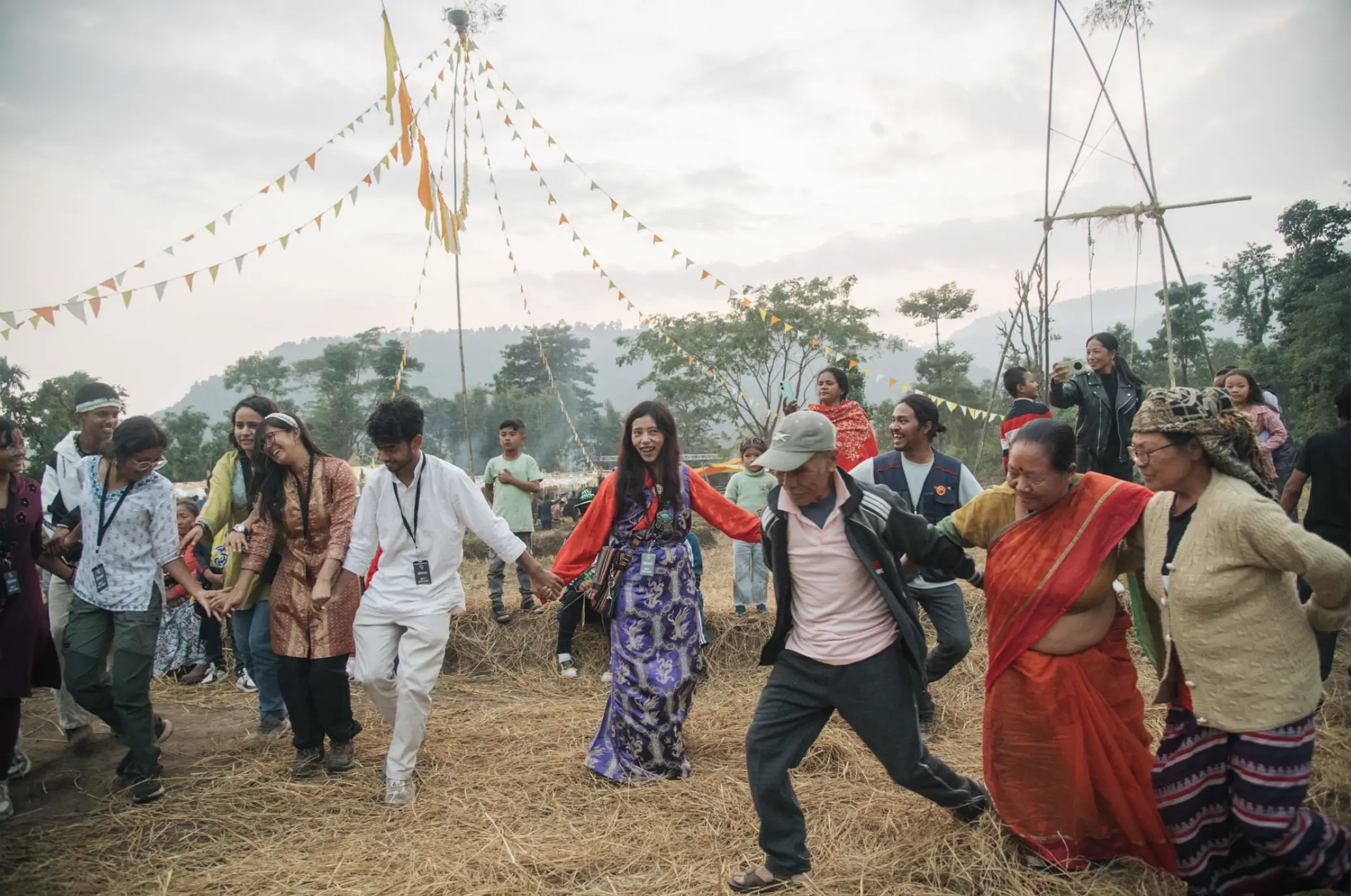
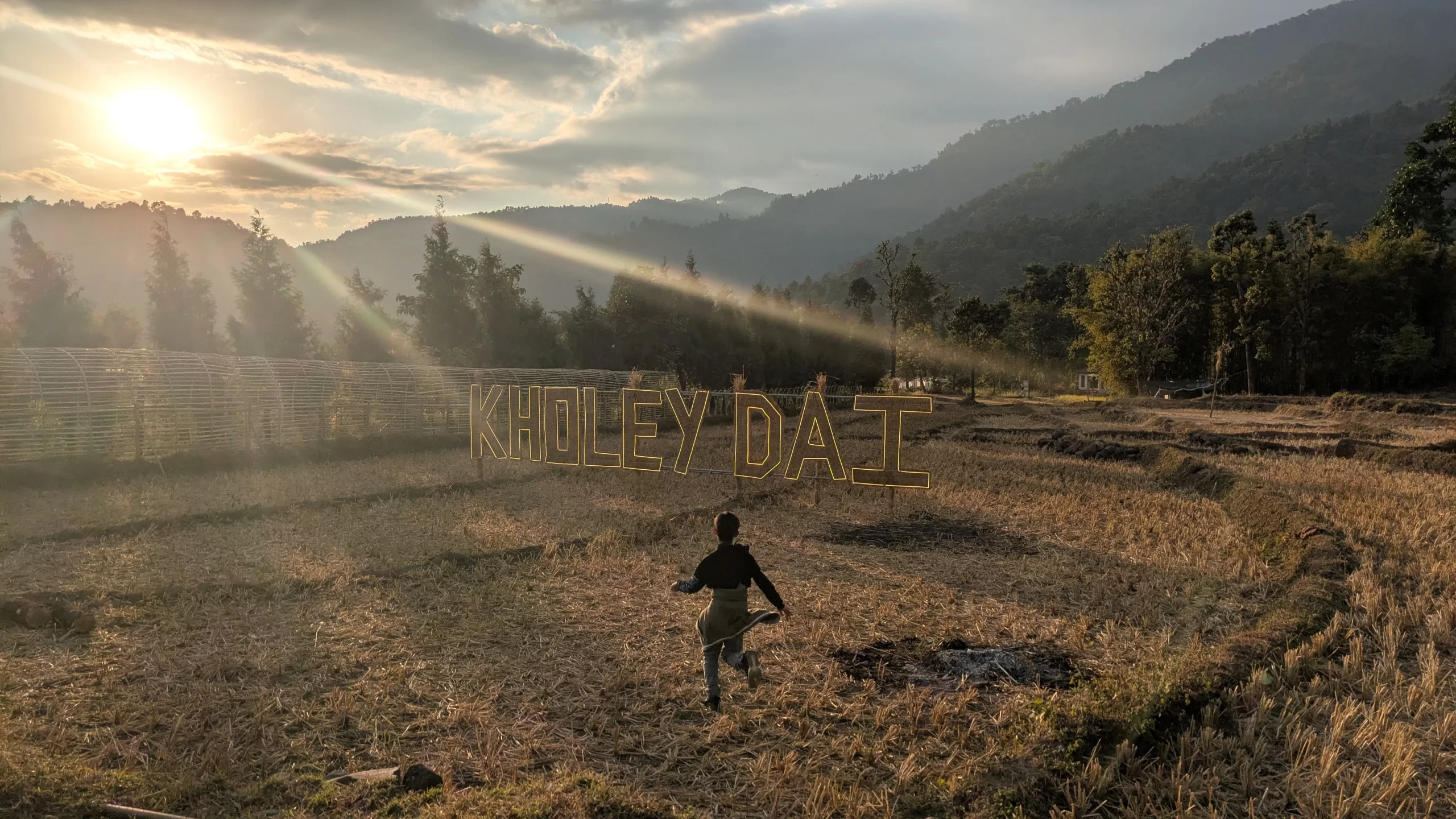
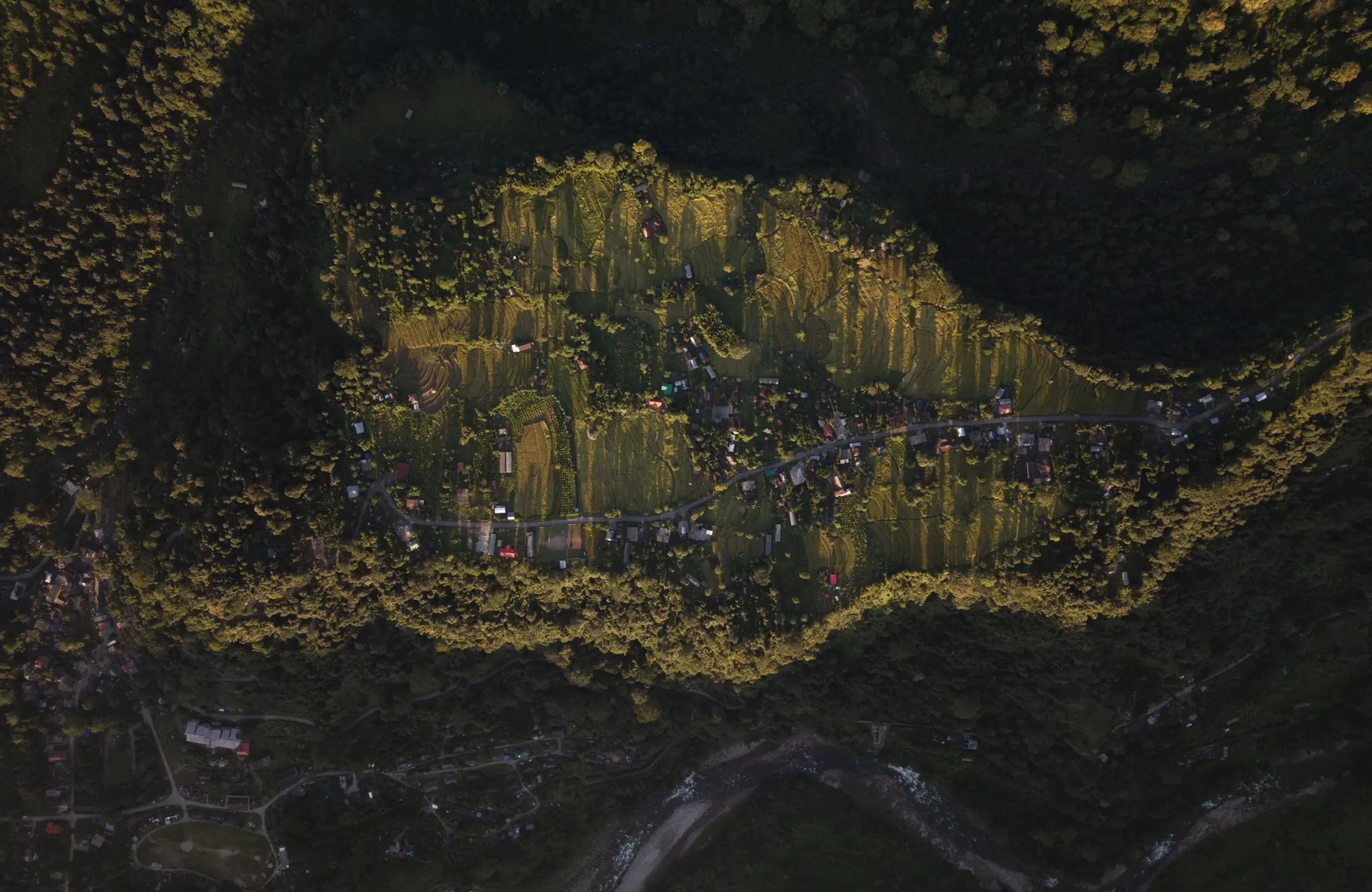
Kholeydai is a community-led harvest festival rooted in the agricultural life of Parengtar, a village in North Bengal, India along the Bhutan border. The festival brings together rituals, performances, food practices, and collective gatherings shaped by the rice harvest cycle.
As the festival evolved, the opportunity was not to add more experiences, but to strengthen how they were understood. From this emerged the idea of a narrative entry point as a design strategy, one that could help visitors orient themselves within the cultural logic of Kholeydai before moving through its many moments. This approach led to the creation of an exhibition designed to anchor meaning, context, and continuity across the festival.
CONTEXT
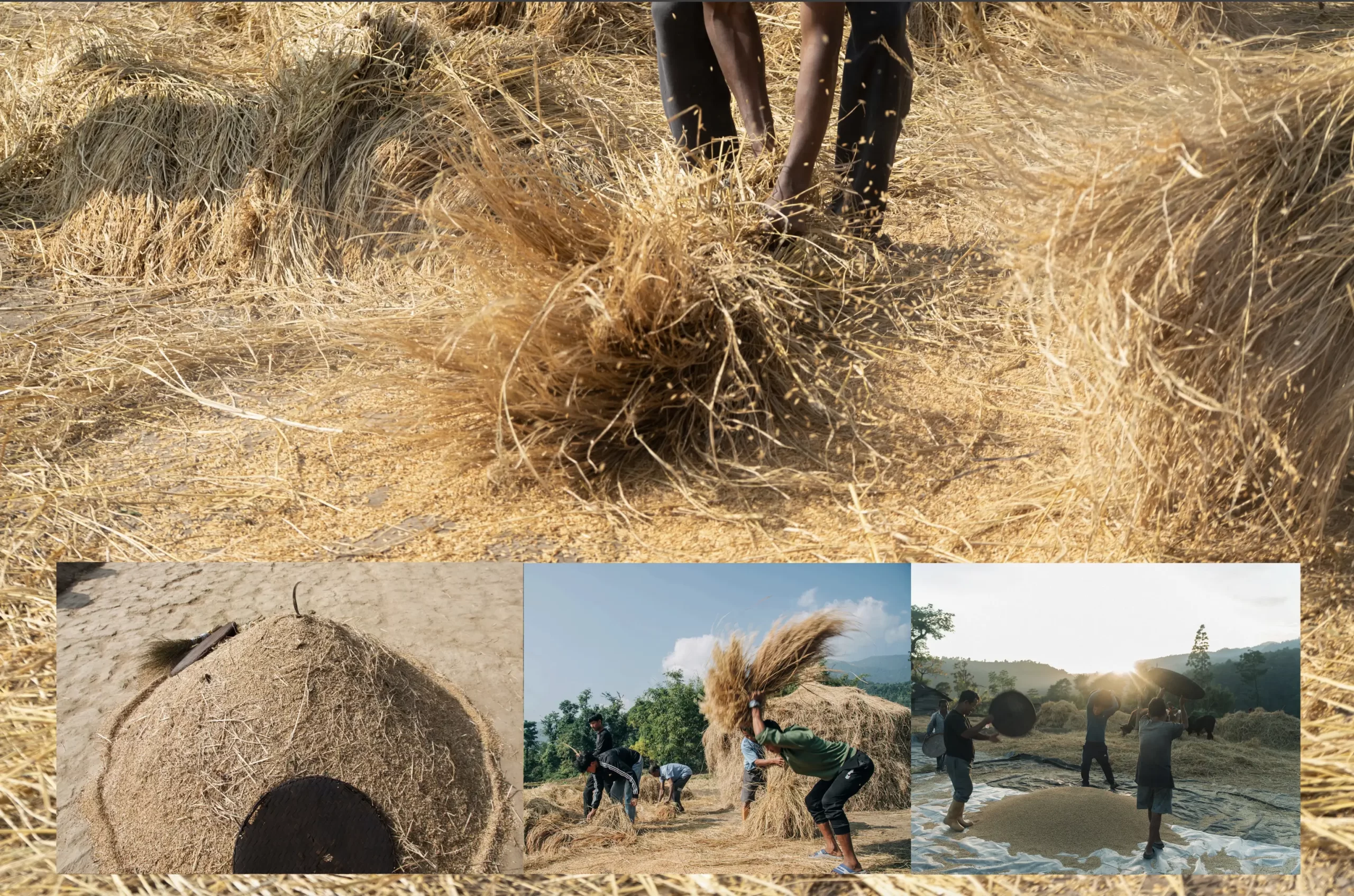
Kholeydai already contains a dense ecosystem of lived experiences rooted in rice farming, seasonal cycles, collective labour, food traditions, and intergenerational knowledge.
These experiences unfold across two layers.
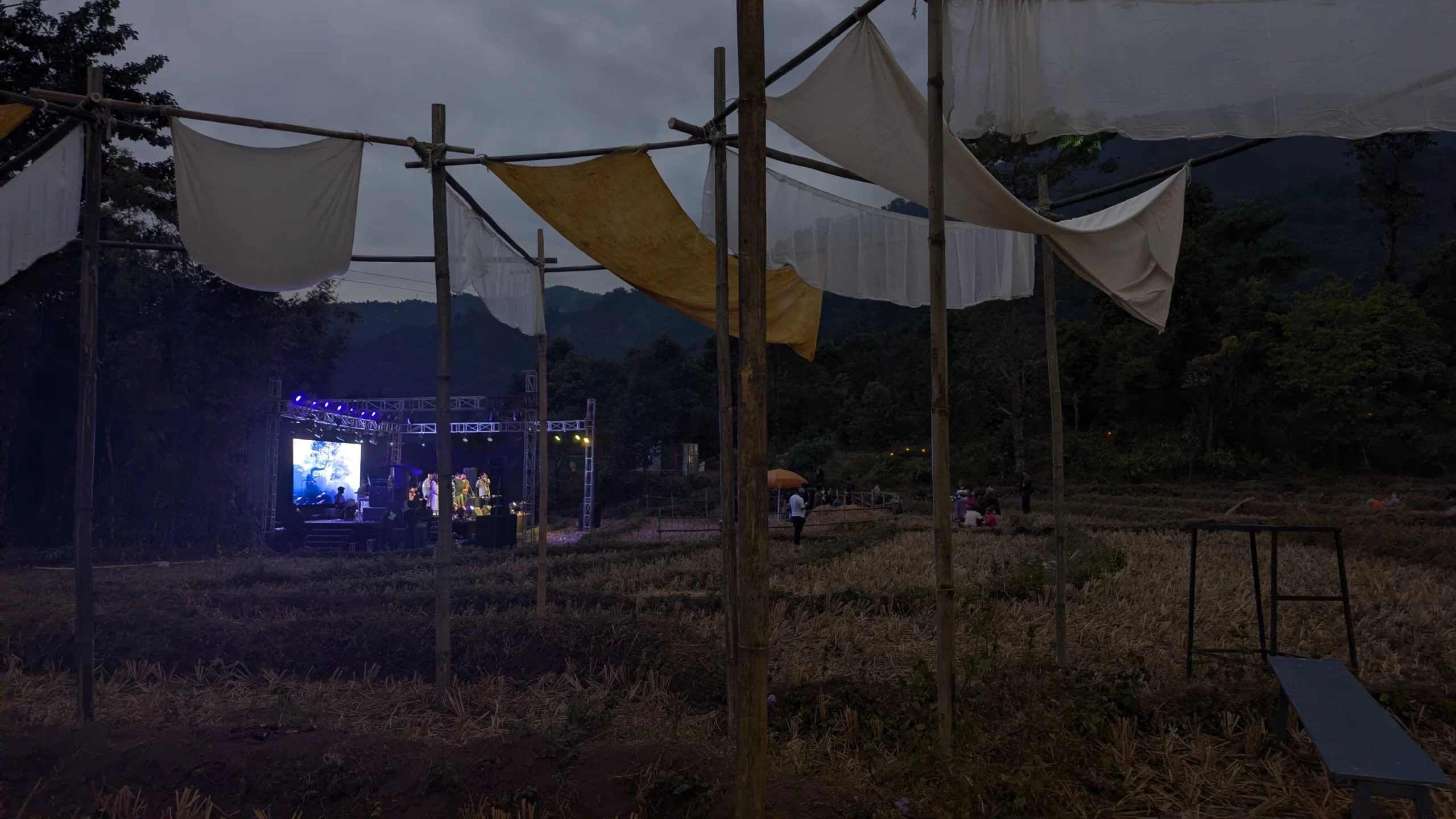
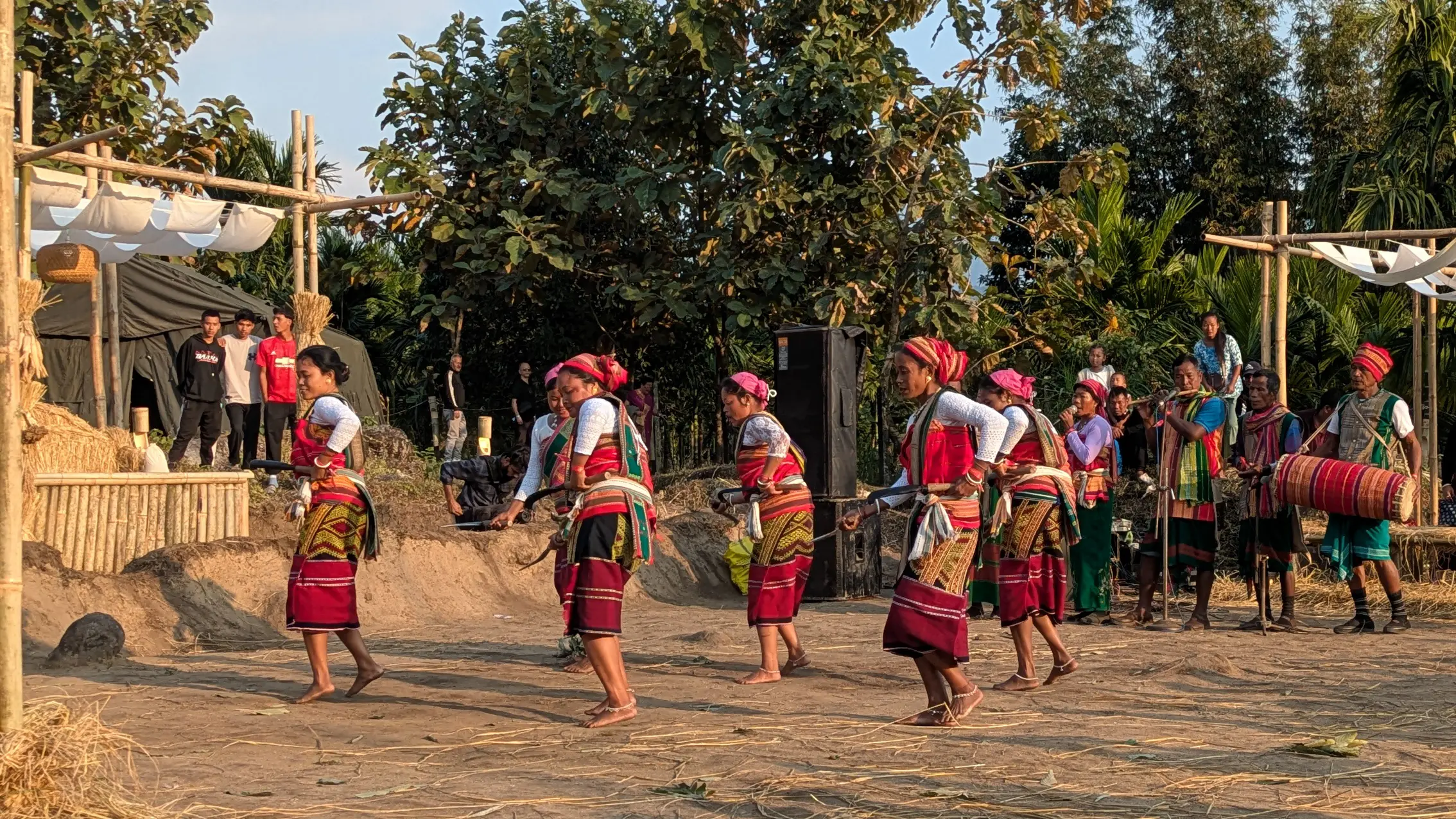
Some are lived across the village through everyday agricultural practices and rituals tied directly to the land. Others are encountered within a central festival venue, where cultural performances, food, workshops, and gatherings are organised around harvest traditions.
While both layers are authentic and meaningful, they are experienced differently by visitors. The village practices are lived and implicit, while the venue-based events are more visible and programmatic. The relationship between these two layers is not immediately legible, especially for first-time visitors.
CHALLENGE
As Kholeydai expanded, visitor behaviour increasingly mirrored that of a conventional cultural or music festival. Performances, food, rituals, and workshops were consumed as individual attractions rather than as expressions of a living agricultural system.
The challenge was not to create new content or add interpretation.
The challenge was to structure understanding.
How could the festival’s many lived moments be connected into a clear narrative that helps visitors recognise what they are participating in, how each experience relates to the harvest cycle, and why Kholeydai exists beyond entertainment?
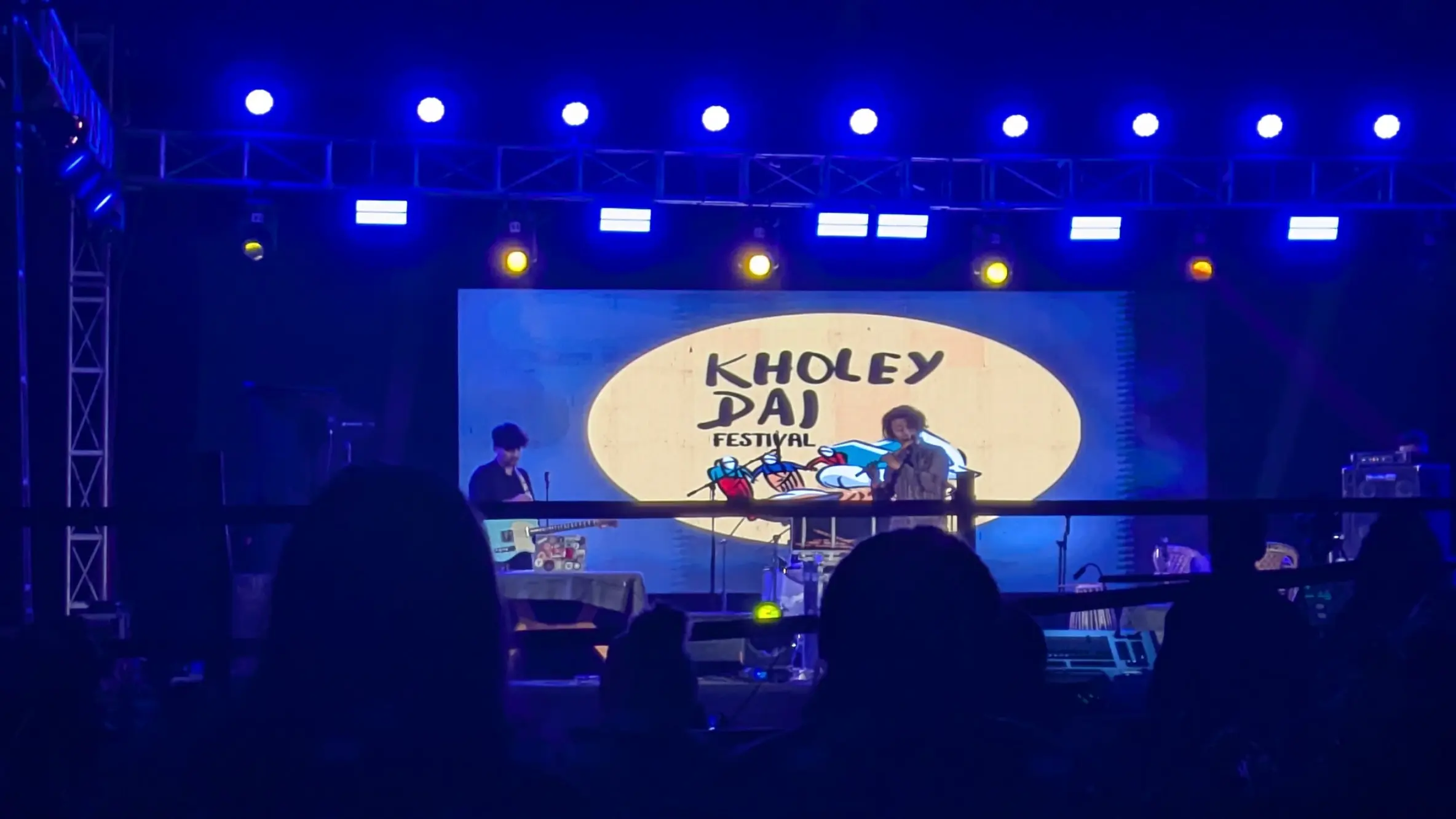
BIG IDEA: From Moments to Meaning
The exhibition was conceived as a living archive and a narrative entry point that connects land, labour, craft, people, and ritual into a single interpretive framework.
Rather than explaining culture, the exhibition establishes cultural orientation.
Rather than introducing new experiences, it gives meaning to those already present across the festival.
By positioning the exhibition as the interpretive layer of Kholeydai, individual moments encountered later in the village and at the festival venue become part of a continuous harvest story rather than isolated events.
THE EXHIBITION DESIGN
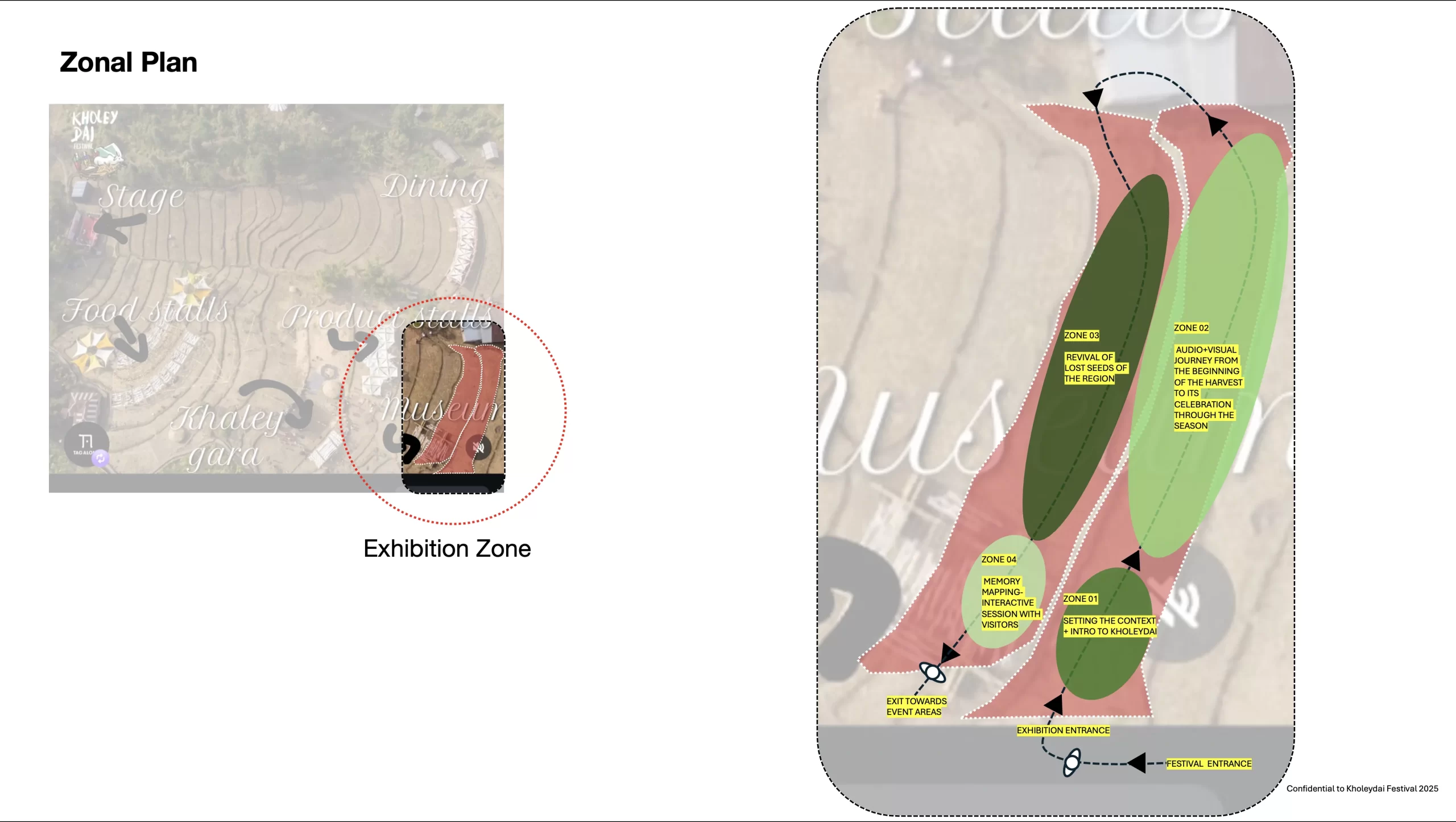
The exhibition was intentionally positioned as the first and primary touchpoint within the festival master plan.
Located at the entry to the festival premises, it functions as an orientation space where visitors pause, recalibrate, and understand the cultural landscape they are about to enter.
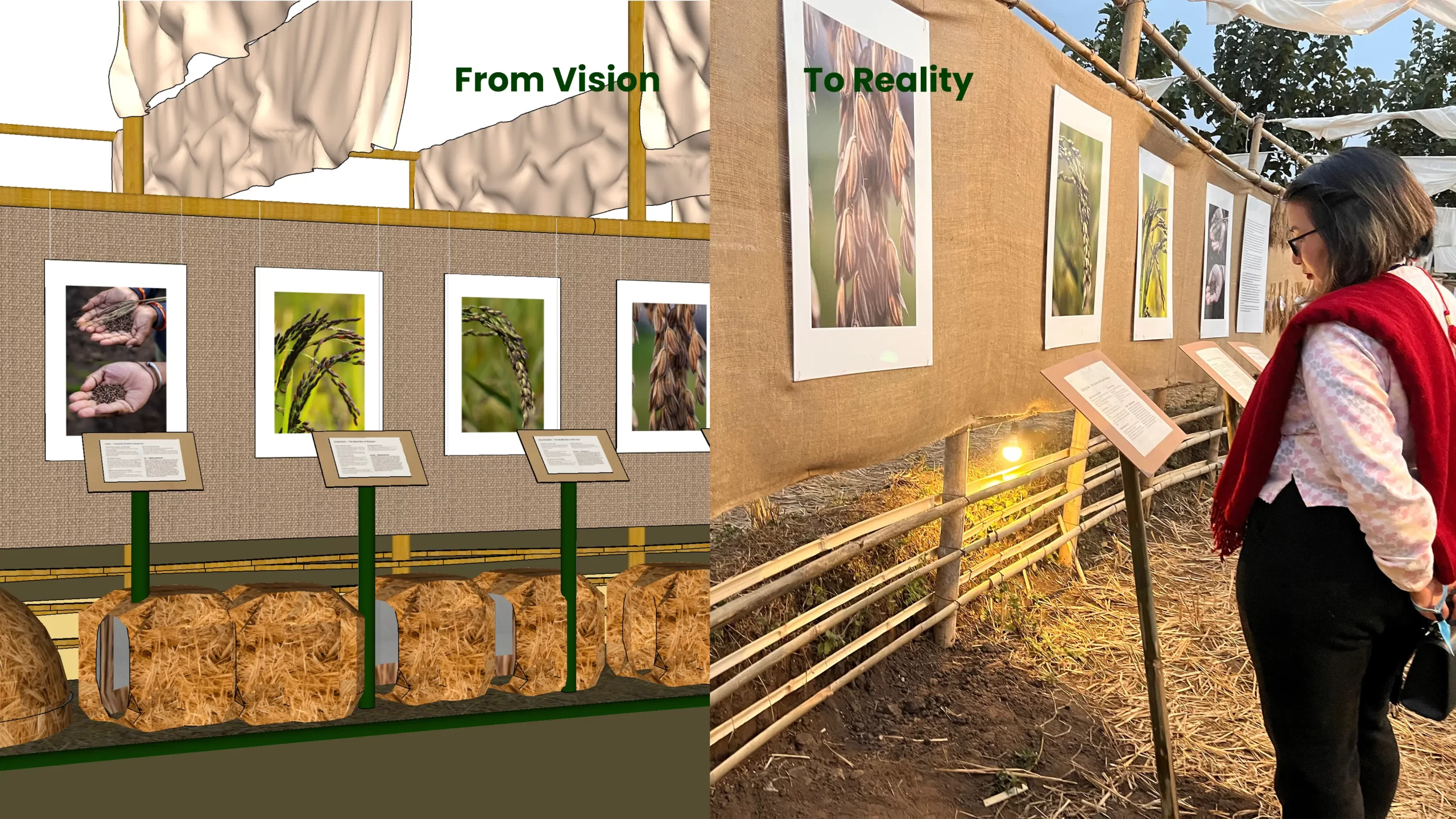
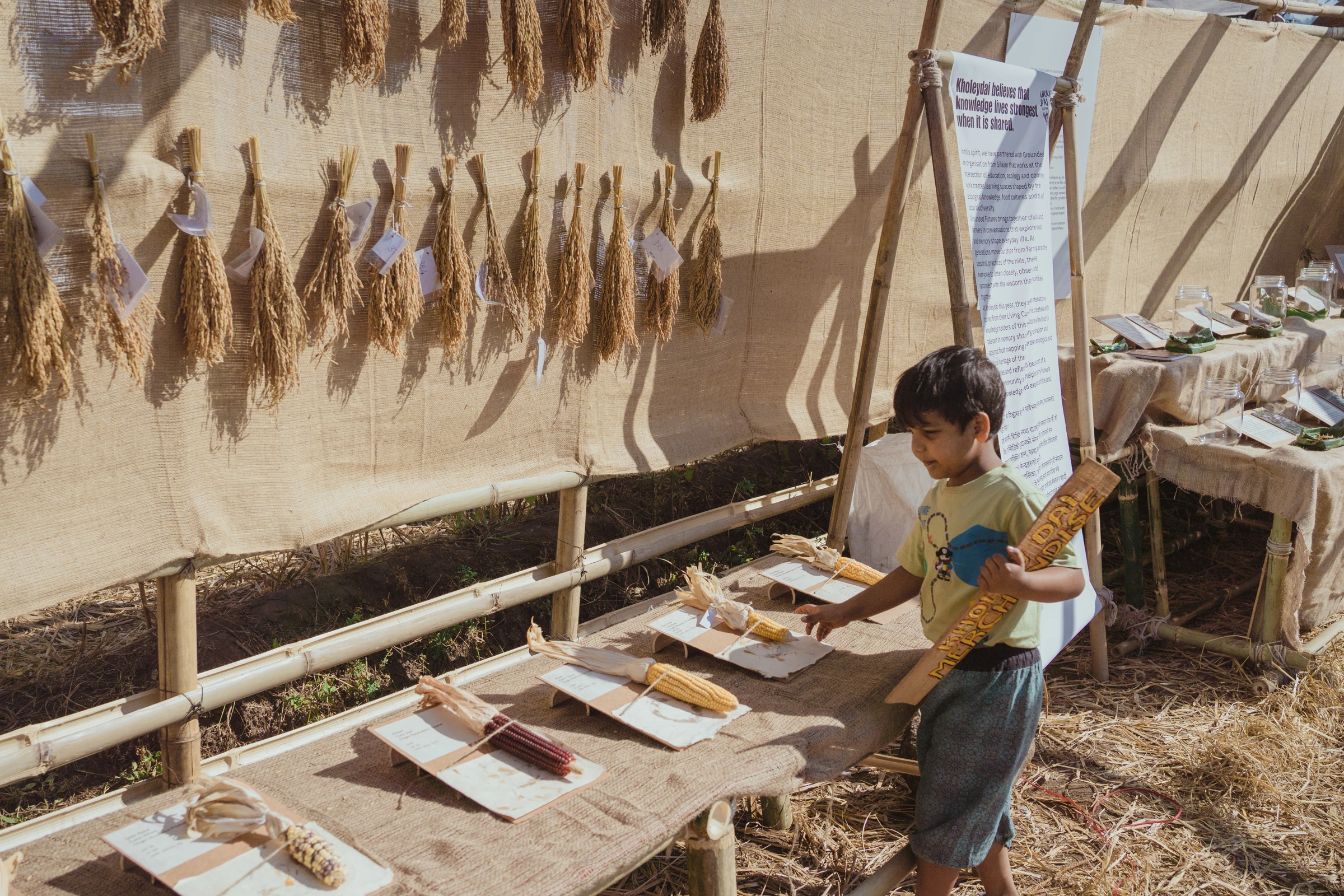
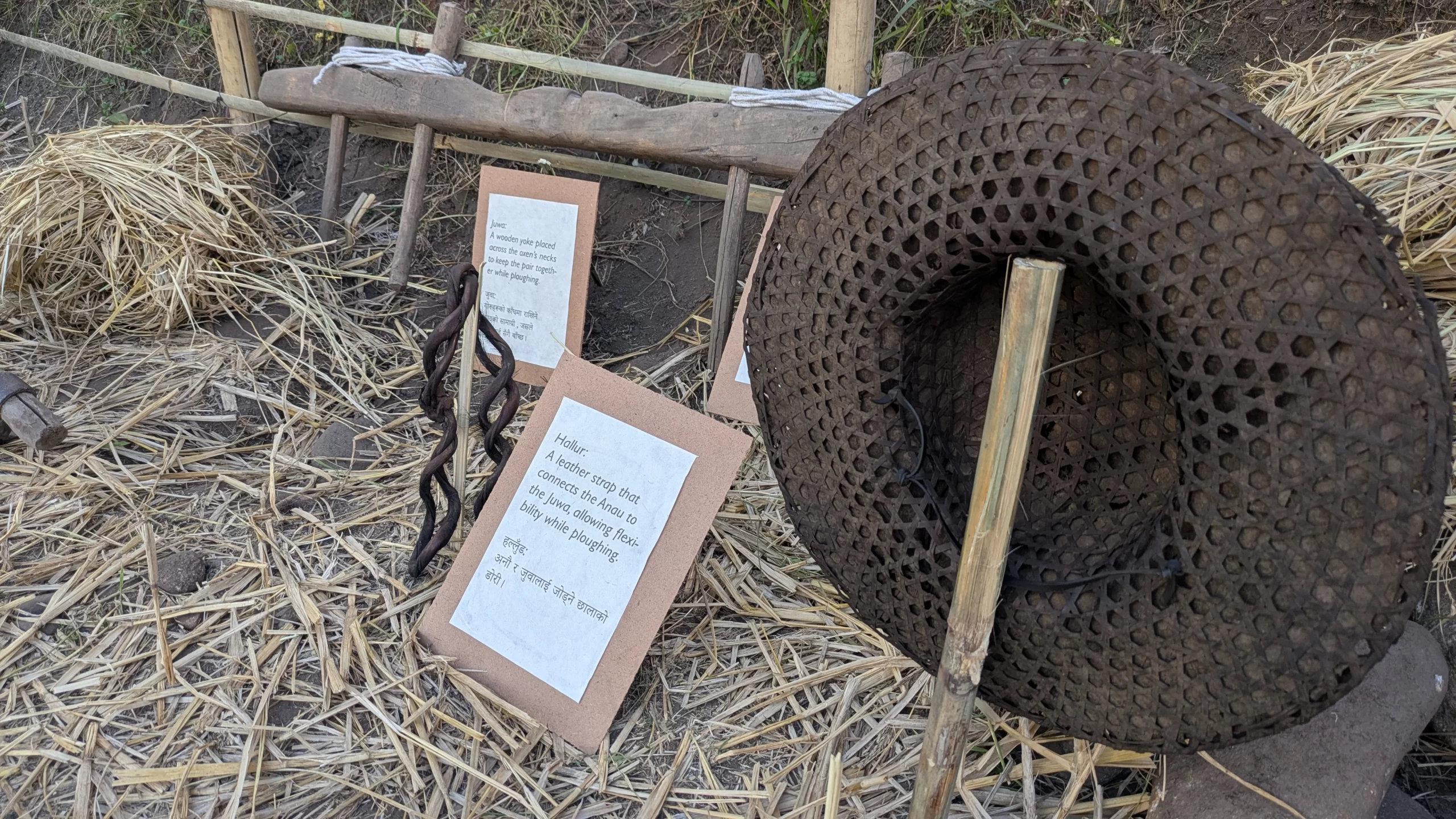
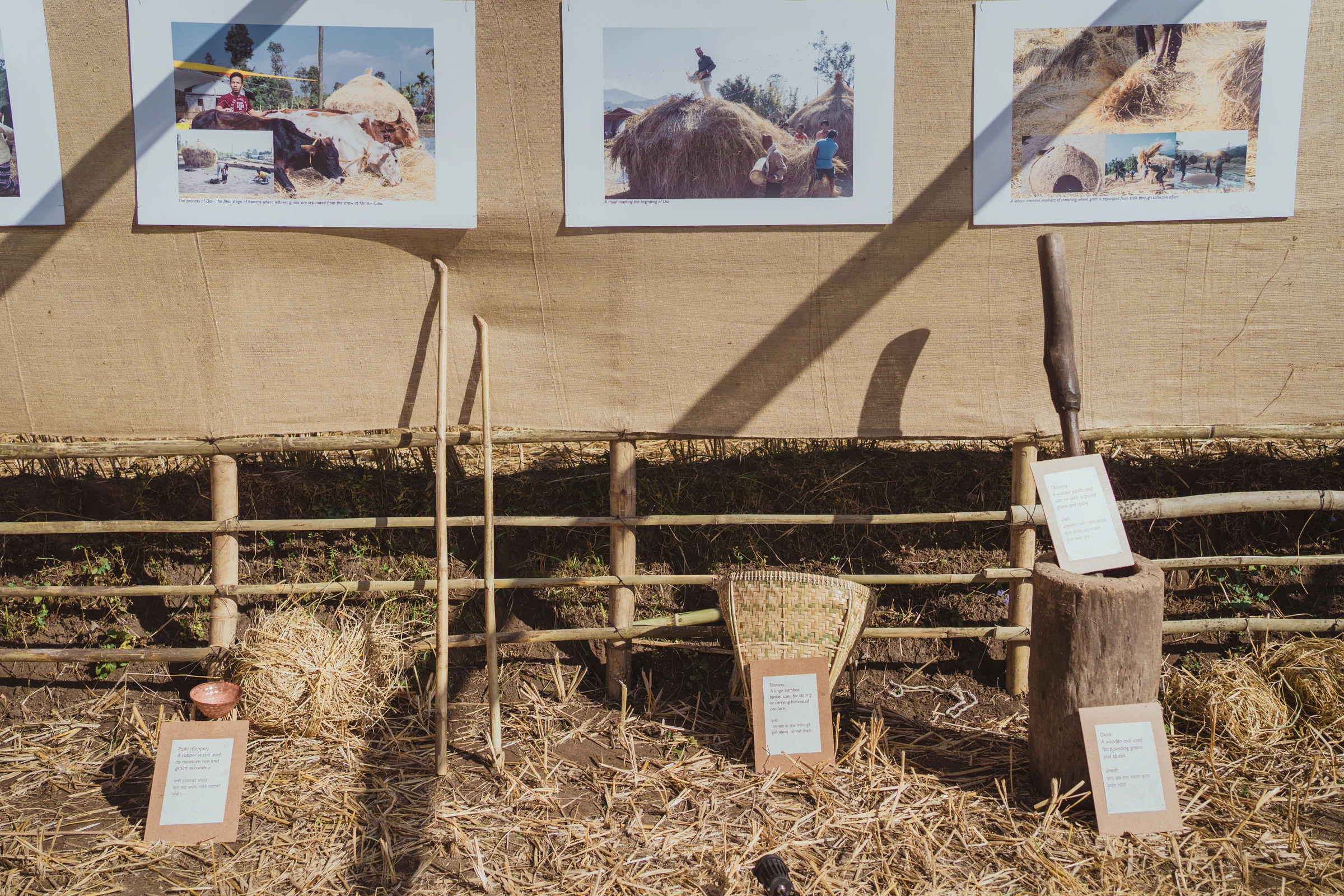
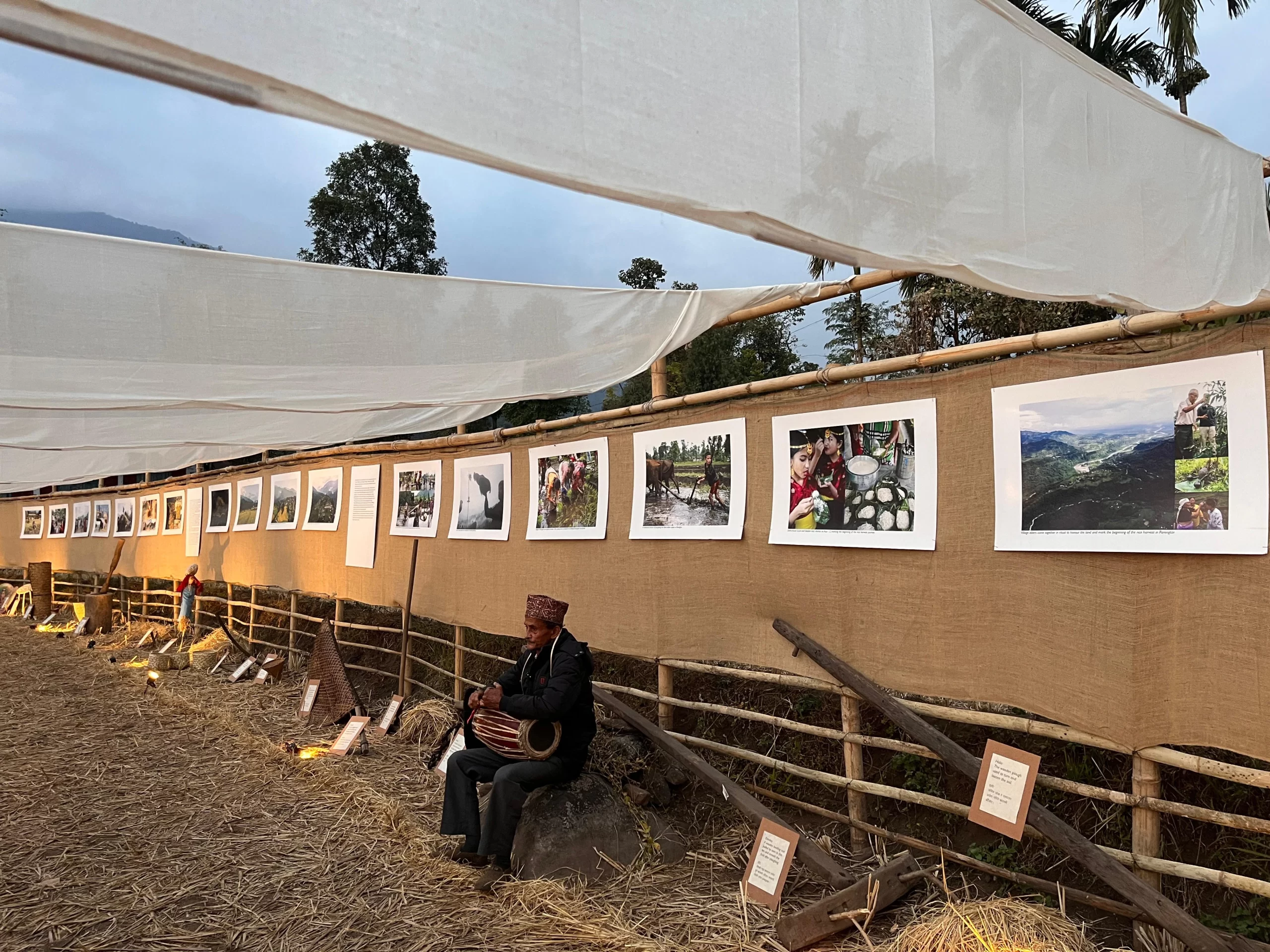
Through a structured narrative journey tracing rice from sowing to harvest, the exhibition brings together photographs, audio, tools, stories, and material artefacts. These elements reveal how everyday agricultural practices shape ritual, community, and celebration in Parengtar. All content was presented in both English and the local vernacular, ensuring that the community could engage with the exhibition on equal terms, alongside visiting audiences.
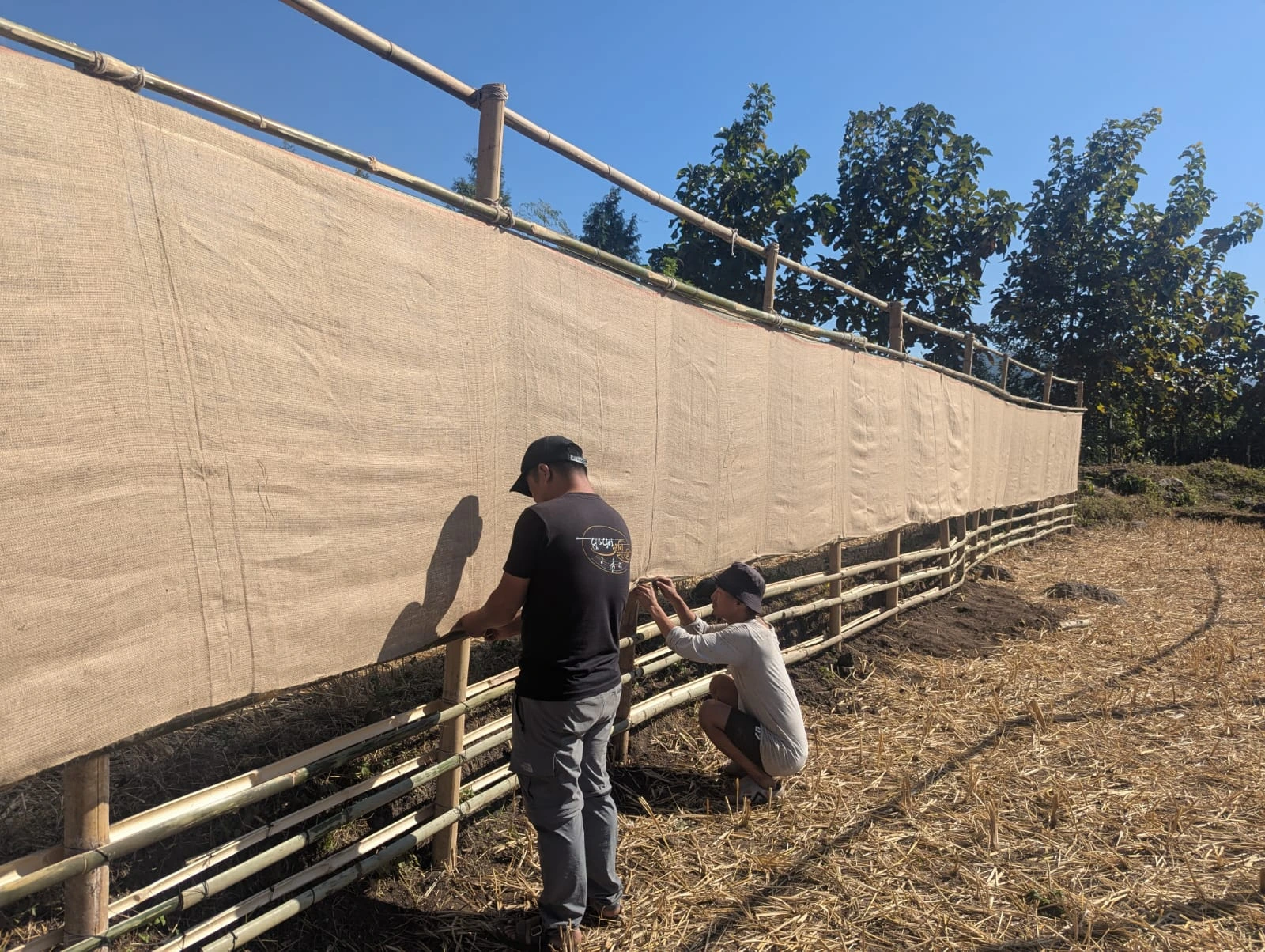
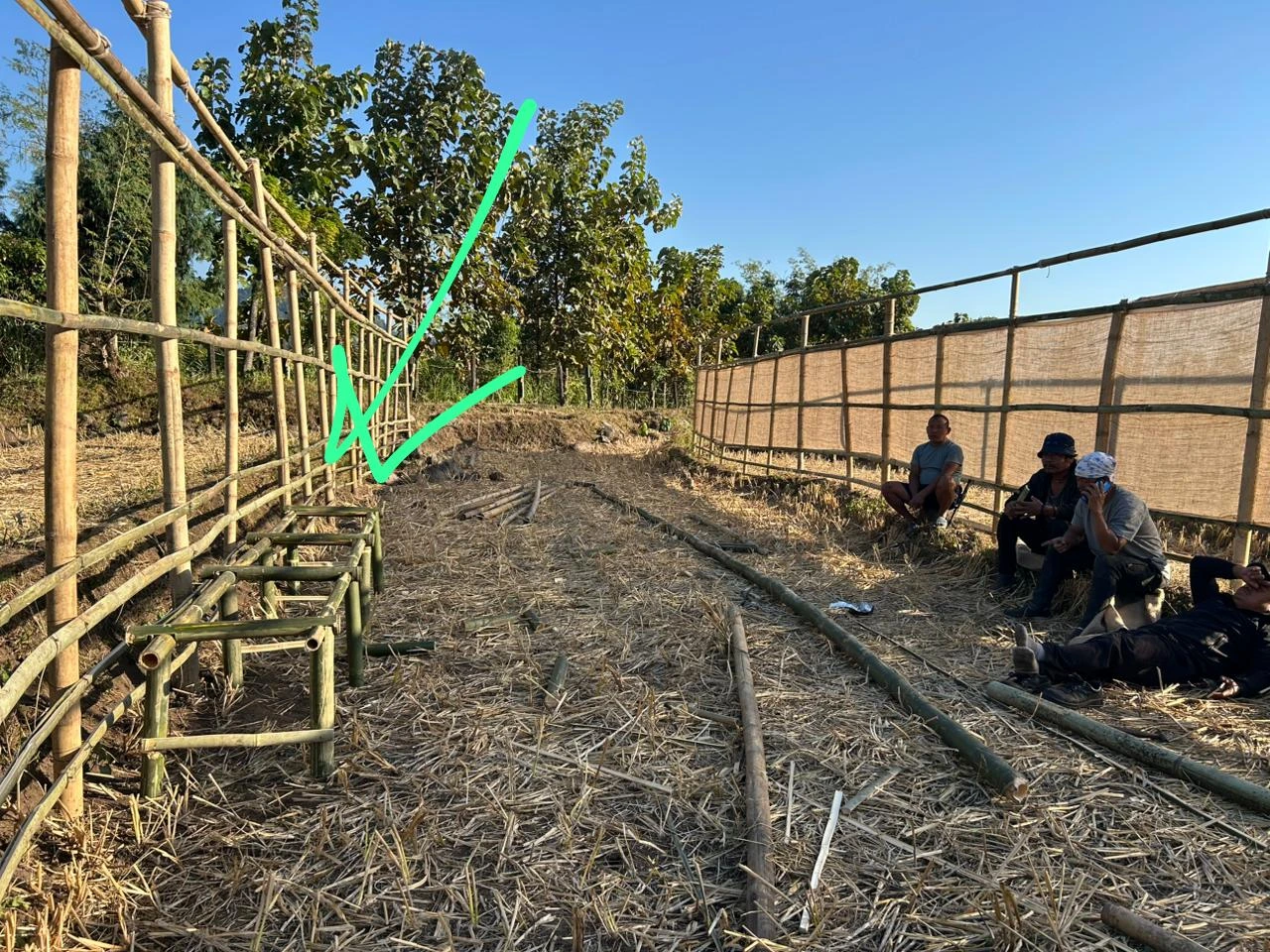
Crucially, the exhibition was built by the community itself.
It was not precise or overly refined, and it did not need to be. Its strength came from presence, participation, and care. Farmers and families worked together to construct the space, allowing visitors to encounter the harvest as lived practice rather than performance.
Sustainability was not framed as a concept. It emerged naturally through material choices rooted in the land, through reuse, and through an approach that respected resources, relationships, and time.
By establishing cultural context at the very beginning of the visitor journey, the exhibition enabled performances, food, workshops, and gatherings across the festival to be experienced with clarity and relevance. Each experience became more legible and meaningful because it was understood as part of a larger harvest cycle.